
Digging into the Right Choice: When and Why to Use a Hand Tiller vs Machine
Ever stood in your garden, shovel in hand, staring down at that patch of stubborn soil and wondering, “Should I just grab my hand tiller, or is it time to fire up the machine?” You’re not alone, my friend. Every gardener — from the weekend hobbyist to the serious grower — faces this question at some point. Knowing when and why to use a hand tiller vs machine can make the difference between a back-breaking day of frustration and a smooth, satisfying prep that leaves you grinning at your beautifully loosened soil.
Let’s be real — gardening isn’t just about plants. It’s about connection. There’s something therapeutic about the rhythmic scrape of a hand tiller, feeling the soil crumble under your touch, smelling the earthy freshness rise up. But then again, there are days when the plot feels endless, your hands are tired, and the machine tiller starts looking like your best friend. You know that feeling, right?
So here’s the truth: neither tool is “better” than the other. It’s all about when you use it and why. A hand tiller offers precision, control, and intimacy with your garden — perfect for small beds, raised planters, or touch-up work. A machine tiller, on the other hand, brings muscle and speed — ideal for large areas, compacted soil, or when you just need to get the job done efficiently. I still remember the first time I watched a motorized tiller chew through hard clay like butter — it felt almost magical!
In this guide, we’ll break down exactly how to choose between the two. We’ll look at soil types, garden size, physical effort, cost, and even environmental impact. And I promise — by the end of this read, you’ll know when and why to use a hand tiller vs machine like a seasoned pro.
So, grab a cup of coffee (or your gardening gloves if you’re feeling inspired), and let’s dig into the details together. Because understanding your tools isn’t just about saving time — it’s about loving every moment you spend in the garden. Ready to get your hands dirty?
Understanding the Tools: Hand Tiller and Machine Tiller
What is a hand tiller?
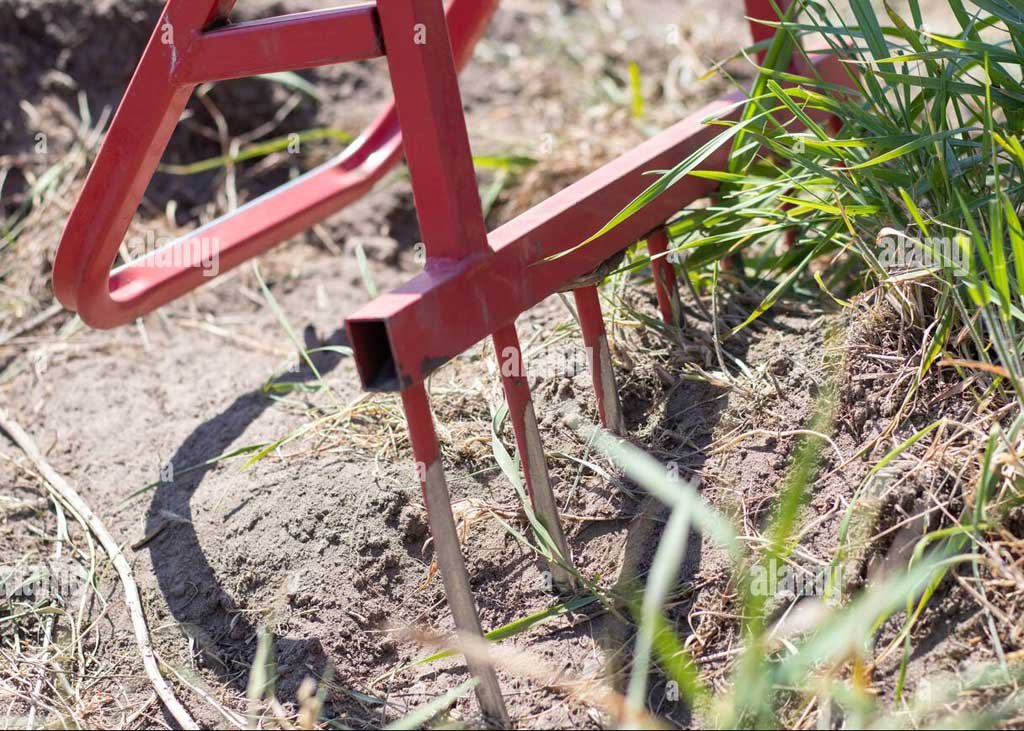
A hand tiller is exactly what it sounds like — a manual or simple-mechanical tool used to loosen, stir or break surface soil by hand power (or very light mechanical assistance). Think of a long-handled tool with tines (prongs) you push, pull or twist into the soil. It often doesn’t have a motor or only a small electric one. It’s about light, reachable work.
For example: some hand tillers are described as “pronged tools… the gardener plunges the prongs into the soil and pulls toward his body to move and break soil.”
I’ve used one in my own small garden – I felt a satisfying sense of connection to the soil, but also knew I couldn’t cover huge areas easily.
Varieties of hand tillers & typical use cases
- Basic hand-tine cultivator/tiller: For shallow digging, loosening the top layer, mixing in compost around plants.
- Pole-handled tiller: For when you stand up while working, less bending.
- Electric handheld mini-tiller: For slightly larger beds but still manageable size.
They’re great for raised beds, small vegetable patches, edging or for undersoil where you’re not completely breaking virgin ground. They shine when you need precision, control, and less bulk.
What is a machine tiller (powered tiller)?
A machine tiller is a powered implement (gas or electric) with rotating tines or blades designed to dig, churn and turn soil across larger areas, deeper depths and tougher conditions. It’s mechanical muscle. For instance, machines may delve deep into compacted soil and flip clods of earth. One article describes: “Tillers are more powerful … and have large, heavy-duty tines that work the soil.”
When I first tried one, I felt awe at how fast it ripped through the soil — but also a bit of fear because a machine like that demands respect.
Types of machine tillers and their capabilities
- Front-tine walk-behind tillers: The tines are in front, decent mobility, moderate power.
- Rear-tine tillers: More powerful, tines behind the wheels, better for heavy ground, large areas.
- Larger powered tillers or small two-wheel tractors with tiller attachments: For serious prepping, large scale.
Each kind has its trade-offs: size, weight, ease of maneuver, cost, storage. I know the temptation to just buy the biggest machine and assume it’s best — but there’s more nuance.
Key Factors to Consider When Choosing Between Hand and Machine
Here are some things you’ll want to evaluate so you choose the right tool — not just the largest one.
Soil condition & type (hard/compacted vs loose)
If your soil is fresh, already loose or lightly compacted, a hand tiller might do the trick. But if you’re dealing with virgin ground, heavy clay, sod, hard‐packed earth, then a machine tiller is much more suitable. Articles point out that machine tillers “dig much deeper, turning over soil to 8–12 inches or more,” while lighter devices don’t.
So ask yourself: Are you breaking new ground? Or just refreshing an existing bed?
Size of the area you’re working (small garden vs large plot)
For a small raised bed (say under 100 sq ft) a hand tiller is comfortable and sufficient. For large plots (hundreds or thousands of sq ft), walking behind a machine tiller saves time, energy. For example, one guide says small cultivators suit small gardens while larger machines suit larger areas.
It’s about scale.
Physical effort, ergonomics and accessibility
Using a hand tiller means you’ll be doing more manual effort — bending, twisting. That’s fine if you’re into the workout and have the time. But machine tillers bring reduced physical strain — yet they also bring weight, bulk, noise, and sometimes a steeper learning curve. One caution: machines still require control; they’re not effortless.
As my back said after one long hand-tilling session: “Buddy, I’ve had enough.”
Cost, storage, maintenance and long-term investment
Hand tillers tend to cost less, have fewer parts to maintain. Machine tillers cost more, may need fuel, engine maintenance, storage space. If you don’t have the budget or storage, a hand tool may make more sense.
Also consider: Will you use the machine often enough to justify it? If only once a year, maybe not.
Environmental / noise / weather considerations
Machine tillers are louder, may require petrol, may not be ideal for late‐evening suburban scenarios. Hand tillers are quieter, less intrusive. If you’re gardening in a shared space or noise matters, that’s a factor.
Also weather: Machines might struggle on muddy soil; you might need to wait for better conditions.
When to Use a Hand Tiller: Scenarios & Advantages
Okay, here’s when I’d personally pull out the hand tiller — and feel good about it.
Small beds, delicate plantings and confined spaces
You’ve got a raised bed, maybe around ornamental plants or herbs. The space is tight, you need precision to avoid damaging nearby plants. A hand tiller gives you more control.
Picture: You’re kneeling by a low wall, reaching into a corner — a bulky machine would be awkward. The hand tool fits.
In those moments I felt intimately connected with the soil, calm, in control.
Light soil, shallow cultivation, frequent touch-ups
If the soil is already worked, you’re just refreshing, mixing some compost, maybe weeding. Hand tillers shine here. They’re quick, clean, precise.
You’re not ripping up deep roots or battling clay — you’re fine-tuning. That’s satisfying.
Budget-friendly and lower-maintenance situations
If you’re just starting, have modest space, or prefer a simpler life, the hand tiller wins. Less cost, less fuss, less storage overhead. Ideal for hobby gardens, urban plots, casual use.
When to Use a Machine Tiller: Scenarios & Advantages
And now — when you really want to bring in the heavy artillery.
Breaking virgin ground, compacted soils or large areas
If you’re prepping a new garden bed on ground that’s never been tilled, or fighting heavy clay, grass, roots — this is machine tiller territory. These tools can dig deep, churn, break up clods, flip over sod. One source says tillers are ideal for “breaking up tough, untouched soil… tearing through weeds, rocks, roots.”
I remember one spring when I had 600 sq ft of unworked land — the machine tiller saved hours and spared my body.
Deep tillage, mixing organic matter, heavy duty prepping
When you want to incorporate compost, manure, cover crops, dig deeper for roots, machine tillers are efficient. They create a more uniform, crumbled seedbed quickly. As another source says: machines improve aeration, drainage, and mix in organic matter.
That moment when you see smooth tilled rows and rich turned soil — it’s deeply satisfying.
Efficiency, speed and time-savings for bigger tasks
If you’ve got hundreds of square feet, time is precious. Machine tillers cut hours into minutes. That means you get to planting sooner, enjoy the garden rather than just prepping it. For busy people, that’s a win.
Practical Comparison: Hand vs Machine Tiller Side-by-Side
Let’s break it down in practical terms:
Effort & speed
- Hand tiller: Lower speed, higher human effort. Great for small jobs, detailed work.
- Machine tiller: Faster, less human effort per square foot—but higher tool effort, logistics, setup.
Precision vs brute force
- Hand: Precise, gentle around plants, ideal for maintenance.
- Machine: Brute force, less finesse, best for big demolition-type soil work.
Suitability for terrain and obstacles
- Hand: Better in tight spaces, around existing plants, near structures.
- Machine: Best in open areas, large beds, minimal obstacles.
Cost-benefit over time
- Hand: Lower upfront cost, minimal maintenance, ideal for smaller budgets.
- Machine: Higher cost, greater maintenance, but potentially more time saved (which has value).
Tips for Optimal Use of Each Tool (best practices)
Hand tiller best practices
- Go when soil is moist but not soggy — too wet = clumping, too dry = hard work.
- Use proper body position – knees, back, avoid strain.
- Take small passes, avoid trying to dig too deep in one go.
- Keep tines clean and sharp so you don’t tear plants or roots inadvertently.
Machine tiller best practices
- Read the manual — safe operation matters. Machines can kick or pull unexpectedly.
- Start with shallow depth maybe first pass, then deeper on second pass.
- Clear rocks, roots, debris ahead of time to avoid damage.
- Don’t till when soil is water-logged — compaction risk.
- Maintain engine, tines, belts — storage maintenance will extend life.
Maintenance, safety and longevity
- For both tools: keep tines clean and rust-free.
- Hand tiller: check handle, joints.
- Machine: check oil, fuel, safety guards, belts, tires/wheels.
- Storage: dry, covered, safe from children.
- Safety: always watch your hands/feet. Machine tiller especially needs caution.
- I once forgot to clean mine after a clay job — the next time it jammed and I felt frustrated.
Mistakes to Avoid When Tilling (regardless of tool)
Tilling when soil is too wet or too dry
If soil is water-logged you’ll compact it instead of loosen it. If it’s bone-dry it will fracture but may remain hard underneath. Wait for the right moisture.
Multiple guides warn about this.
Over-tilling and damaging soil structure
Turning the soil too often or too deeply can break down its layered structure, reduce natural aeration and harm microbes. Use the tool appropriately, don’t just go wild.
It’s something many forget in the enthusiasm for “digging deep”.
Ignoring ergonomics or tool size for job
Buying a huge machine for a tiny space might feel excessive and be awkward to use. Conversely, bringing a tiny hand tool to a large heavy ground may frustrate you. Match tool to job.
As one commenter said:“If it’s ground that you’re working for the first time… you’re probably going to be better off with a bigger, rear-tine walk-behind tiller.”
Environmental and Sustainability Considerations: Thinking Beyond the Soil
Gardening isn’t just about what we grow — it’s also about how we grow it. When deciding when and why to use a hand tiller vs machine, one factor that’s often overlooked is environmental impact. The way we till our soil affects not only our plants, but also the microorganisms, insects, and ecosystems beneath our feet. Let’s take a deeper look at how each tool plays a role in sustainability.
The Hand Tiller: Eco-Friendly and Soil-Loving
If you’re striving for a more sustainable gardening practice, the hand tiller wins major points. Why? Because it’s human-powered — no fuel, no noise, and zero carbon emissions. Every pull, twist, or push comes from your own strength, which makes it both eco-conscious and a mini workout (bonus, right?).
When you use a hand tiller, you’re disturbing the soil surface far less than a motorized tiller would. This gentle touch helps preserve vital soil structures, beneficial microorganisms, and earthworms — the unseen heroes of healthy soil. They thrive when left undisturbed, and manual tilling keeps their tiny world intact.
Also, since hand tillers are quieter and less invasive, they allow you to work in harmony with nature — birds still sing nearby, pollinators keep buzzing around, and you feel more connected to the ecosystem you’re nurturing. It’s that peaceful, grounding feeling that reminds you why you started gardening in the first place.
The Machine Tiller: Powerful but Energy-Heavy
Now, let’s be honest — machine tillers aren’t villains. They’re incredibly efficient when used correctly. However, they come with a heavier environmental footprint. Gas-powered tillers consume fossil fuels, emit carbon, and can disrupt soil ecosystems by digging too deep or too aggressively.
One of the biggest risks of machine tilling is soil compaction beneath the tilled layer — something called the “plow pan effect.” When heavy tines churn too deep, they can compress the lower layers, limiting root growth and water absorption. Over time, this can make soil less fertile and require more interventions to restore its balance.
That said, modern electric tillers are changing the game. They’re quieter, lighter, and eco-friendlier than traditional gas models. If you must use a machine, choosing an electric or battery-powered tiller reduces your carbon footprint while still delivering great results.
Finding the Balance: Sustainable Tilling Practices
Here’s where the real wisdom lies — balance. You don’t have to swear off machines or romanticize manual labor. Instead, think of smart rotation:
- Use a machine tiller once to break new ground or revive compacted soil.
- Then, switch to a hand tiller for maintenance and gentle aeration in future seasons.
This way, you get the best of both worlds — efficiency upfront, sustainability long-term. You reduce emissions, preserve soil life, and still keep your garden healthy and productive.
So, the next time you’re deciding between a hand tiller and a machine, pause for a second. Look at your soil, think about your plants, and maybe even listen to the buzz of bees nearby. Ask yourself: How can I help my garden thrive while respecting nature’s rhythm? Because great gardening isn’t just about growing more — it’s about growing responsibly.
Finding Your Perfect Fit: Choosing Between a Hand Tiller and a Machine Tiller
So, after all that digging (pun intended!), we’ve uncovered something important — choosing between a hand tiller and a machine tiller isn’t about which tool is “better.” It’s about understanding your garden, your soil, and your rhythm as a grower. Once you figure that out, every turn of the soil feels easier — more purposeful, more you.
If you’re the type who enjoys getting close to the earth — feeling the soil slip through your fingers and hearing the quiet rhythm of your own breath — a hand tiller is your loyal companion. It’s personal, meditative, and perfect for small spaces or quick maintenance work. You’ll feel every inch of progress, every clump of earth breaking apart, and honestly, it’s kind of beautiful. There’s a sense of peace in that slow, steady work that no motor can replace.
But when your garden stretches wide, the ground feels like concrete, and time is ticking before the planting season starts — that’s when the machine tiller shines. It brings power, speed, and efficiency. One pass and your once-hard soil transforms into a soft, plant-ready bed. Can you imagine that feeling of relief when the hard part is done in minutes instead of hours? It’s pure joy for anyone who’s ever battled compacted clay by hand.
The key takeaway?
1. Use a hand tiller when you want precision, connection, and control.
2. Use a machine tiller when you need muscle, speed, and large-scale results.
Both have their place in the gardener’s toolkit — and often, the best gardeners use both, depending on the season and the task. It’s not about picking sides; it’s about learning the rhythm of your land and letting the right tool do its magic.
So next time you’re out there, looking at your patch of earth, ask yourself: What does my garden need today? A quiet touch or a powerful push? Once you listen to that answer, you’ll never go wrong — because you’re not just tilling soil, you’re building a living foundation for growth.
Now go on — roll up your sleeves, grab your favorite tiller (whichever kind it may be), and start shaping the garden you’ve always dreamed of. Because every great harvest starts with that first turn of the soil.
Please read more about the best hand tiller.
FAQs
How deep should I till the soil for a vegetable garden?
Generally, for new beds, machine tillers can reach 8-12 inches or more. For hand tillers or lighter equipment, you may aim for 4-6 inches.
But remember: deeper isn’t always better — loosened soil, good aeration and organic matter incorporation matter most.
Can I use a machine tiller in raised beds or around delicate plants?
It’s possible but often not ideal. Machine tillers are bulkier and less precise — risk damaging roots of established plants or hitting nearby structures. For raised beds or delicate zones, a hand tiller gives more control.
Is tilling always necessary before planting?
Not always. If your soil is already loose, well-amended, and you’re just doing a light refresh, a hand tool may suffice. But if you’re starting fresh, breaking new ground, or dealing with patchy, compacted soil, tilling (especially with a machine) helps a lot.
How often should I till my garden?
It depends on your soil and planting schedule. Many gardeners till new plots once, then lightly cultivate each season for maintenance. Over-tilling every season (especially deeply) can harm soil structure. So match frequency to need.
What safety precautions should I take when using a machine tiller?
-
- Wear sturdy shoes/boots, gloves, eye protection
- Clear debris, rocks, wires ahead of time
- Ensure no children/pets around when operating
- Stay on firm ground; avoid extremely steep slopes
- Read the operator’s manual; maintain engine and blades
- Stop the engine before making adjustments or clearing tines
Doing this will keep you safe — and your tiller working longer.
